

Hurricane Storm Cleanup and Softwashing for a Cleaner Safer Property
A hurricane can leave behind more than broken branches and standing water. Salt spray, mud, algae, roof debris, and wind-driven grime can cling to siding, concrete, gutters, fences, and outdoor living areas long after the sky clears.
Cleaning up quickly matters, but cleaning the right way matters even more. The wrong pressure, harsh scrubbing, or unsafe ladder work can damage surfaces and create new hazards. That is where a smart cleanup plan, paired with softwashing, helps restore a property without adding unnecessary risk.

Start with safety before cleanup begins
After a hurricane, the first instinct is often to grab a rake, hose, or pressure washer and get to work. It is better to slow down and inspect the property first.
Storm cleanup can involve hidden dangers, including:
Downed or low-hanging power lines
Unstable tree limbs
Sharp metal, glass, or roofing materials
Contaminated standing water
Slippery walkways and stairs
Loose gutters, shutters, or siding
Mold and mildew growth in damp areas
If there is standing water near electrical equipment, visible structural damage, or a leaning tree, call the proper professionals before washing or clearing that area.
Wear heavy gloves, closed-toe shoes, eye protection, and long sleeves when handling storm debris. Avoid walking on wet roofs or climbing ladders on soft ground. A surface that looks solid may be slick with algae, mud, or salt residue.
Cleanup should begin with removing loose hazards, not blasting everything with water. Clear branches, leaves, and broken pieces from driveways, patios, drains, and entryways first. This makes washing safer and keeps debris from clogging drainage systems.
Why softwashing works well after a hurricane
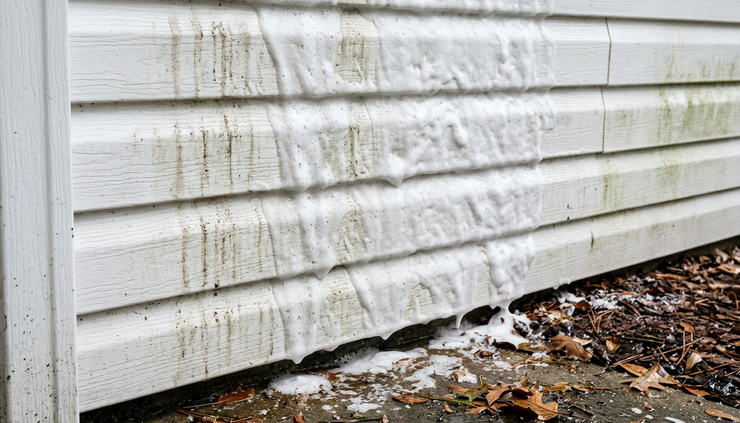
Softwashing uses low water pressure combined with cleaning solutions designed to break down organic buildup, stains, mildew, algae, and grime. It is different from traditional high-pressure washing, which relies on force.
That difference matters after a storm.
Hurricane winds can push contaminants deep into cracks, seams, textured concrete, rooflines, and siding joints. High pressure may remove surface dirt, but it can also force water behind siding, damage roof shingles, scar wood, or strip paint from already stressed surfaces.
Softwashing is often a better fit for:
Vinyl, painted, or fiber cement siding
Stucco
Roof shingles
Gutters and soffits
Wood or composite fences
Screen enclosures
Pool decks
Patios and walkways
The goal is not just to make the exterior look better. It is to remove the materials that continue to stain, smell, and break down surfaces over time.
A clean property after a storm is not only about appearance. It helps reveal damage, reduce slip hazards, and prevent organic growth from spreading.
What should be cleaned after hurricane debris is removed
Once loose debris is cleared, the next step is to assess which areas need washing. Hurricane cleanup is not a one-surface job. Wind and rain hit a property from every angle.
Roofs and gutters
Roofs can collect leaves, pine needles, small branches, and salt residue. Gutters may clog with debris, which causes water to back up and spill near the foundation.
Softwashing can help remove dark streaks, algae, and organic residue from roofing materials without the kind of pressure that can loosen granules or damage shingles. Gutters should be cleared and rinsed so water can flow freely again.
Avoid walking on a roof unless it is absolutely necessary and safe. After a hurricane, roofing materials may be loose, slick, or weakened.
Siding, soffits, and trim
Wind-driven rain can leave dirt lines under soffits, around windows, and along siding seams. Mold and mildew may start quickly in humid conditions, especially on shaded sides of the home.
Softwashing siding helps remove grime from the surface and from small grooves where hand scrubbing usually misses. It is also safer for painted finishes than aggressive pressure washing.
Driveways, walkways, and patios
Mud, leaves, algae, and storm runoff can turn hard surfaces into slip zones. Concrete, pavers, pool decks, and patios should be cleared and washed once the larger debris is gone.
Some hard surfaces can handle more pressure than siding or roofing, but pressure still has to be controlled. Pavers can shift, grout lines can erode, and older concrete can chip if treated too aggressively.
Fences, decks, and outdoor structures
Wood and composite materials can hold moisture after heavy rain. Fences, pergolas, decks, sheds, and screen enclosures often need careful washing to remove organic buildup.
Softwashing helps clean these surfaces while reducing the risk of splintering wood or damaging screens.

Softwashing helps uncover hidden storm damage
One overlooked benefit of post-storm washing is visibility. Dirt, algae, leaves, and mud can hide cracks, loose fasteners, damaged paint, lifted shingles, and drainage issues.
After a proper cleanup, it becomes easier to spot problems such as:
Cracks in concrete or stucco
Loose siding panels
Separated caulk around windows
Rust stains from damaged metal fixtures
Water stains near gutters
Damaged screens
Rot or soft areas on wood surfaces
This can be especially useful before scheduling repairs or speaking with an insurance adjuster. Clear surfaces make documentation easier. Take photos before and after cleanup when damage is visible.
Do not wash away evidence of serious damage before documenting it. If large sections of roofing, fencing, or siding are damaged, take pictures first and keep any repair-related records.
Avoid common cleanup mistakes
Post-hurricane cleanup can feel urgent, but rushing often causes preventable damage.
One common mistake is using a high-pressure washer on every surface. Pressure that works on a driveway may damage siding, screens, roof shingles, or painted wood. Another mistake is washing debris into drains. Leaves, mud, and branches can block drainage and create more water problems during the next rain.
Be careful with cleaning chemicals, too. Outdoor cleaners should be used according to the label, kept away from children and pets, and rinsed properly from plants and sensitive surfaces. More product does not mean a better clean.
Also, avoid mixing cleaners. Some combinations can create dangerous fumes.
A good cleanup follows a simple order: inspect, document, remove debris, clear drainage, wash surfaces, then inspect again. That sequence keeps the work safer and more effective.

When to call a professional
Some storm cleanup tasks are manageable with basic tools and caution. Others call for professional help, especially when safety or surface damage is a concern.
A professional exterior cleaning team can help with:
Roof softwashing
Multi-story siding cleaning
Heavy algae and mildew removal
Gutter clearing and exterior gutter brightening
Large concrete and patio cleaning
Fence and deck washing
Pool deck and screen enclosure cleaning
Professional softwashing also helps control water flow, pressure, and cleaning solution strength. That matters when a property has storm-weakened materials or delicate finishes.
If the property has roof damage, electrical hazards, major flooding, or structural concerns, bring in the right licensed professionals first. Exterior cleaning should support recovery, not replace repair work.
A cleaner property is part of storm recovery
Hurricane cleanup is more than picking up branches. It is about making the property safer, reducing slippery buildup, protecting exterior surfaces, and finding damage before it gets worse.
Softwashing offers a careful way to remove storm grime from siding, roofs, gutters, patios, decks, and fences without relying on harsh pressure. Start with safety, document damage, clear debris, and choose the right cleaning method for each surface.
After the storm passes, a thoughtful cleanup helps a property feel usable again. It also gives a clearer picture of what needs repair, what needs maintenance, and what is ready for normal life to resume.


Comments